Your cart is empty
Tax included and shipping calculated at checkout
Drawer menu
Tax included and shipping calculated at checkout


Woven History & Silk Road is a family-owned and operated textile business in the historic Eastern Market neighborhood of Washington, DC, open since 1986. We specialize in handmade, vegetable-dyed rugs from 23 countries. We aim to support the continuation of tribal arts while connecting our clients with the culture and craftsmanship of our weavings.
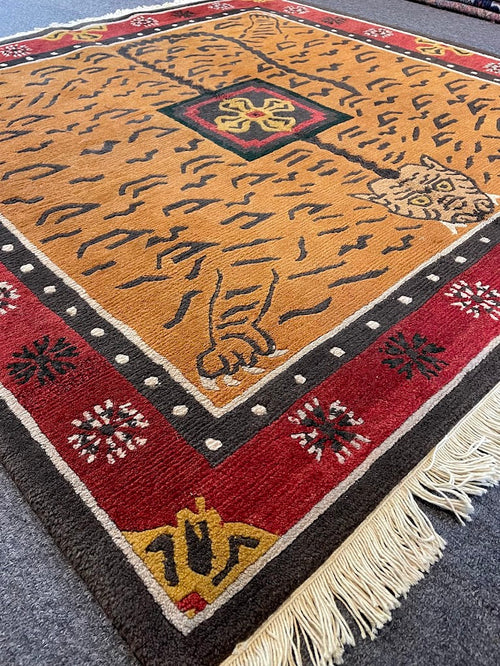
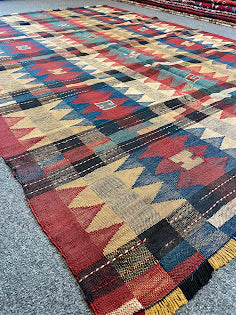
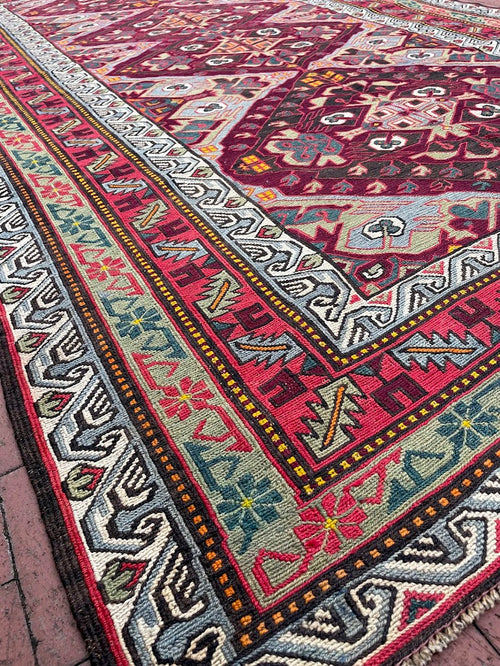


Woven History & Silk Road
We are the source for all of our rugs, furniture, and gift items to ensure that our hand-picked collection remains unique, ethical, and sustainable.
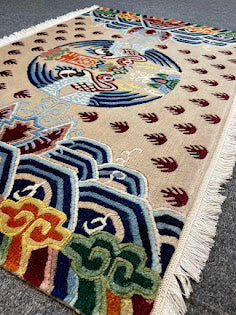
In Nepal, we work with Tibetan refugees to produce the finest quality hand-spun, hand-carded, hand-combed, vegetable-dyed wool, silk, and silk/wool combination rugs. Tibetan rugs are known for their large patterns and plush feel.
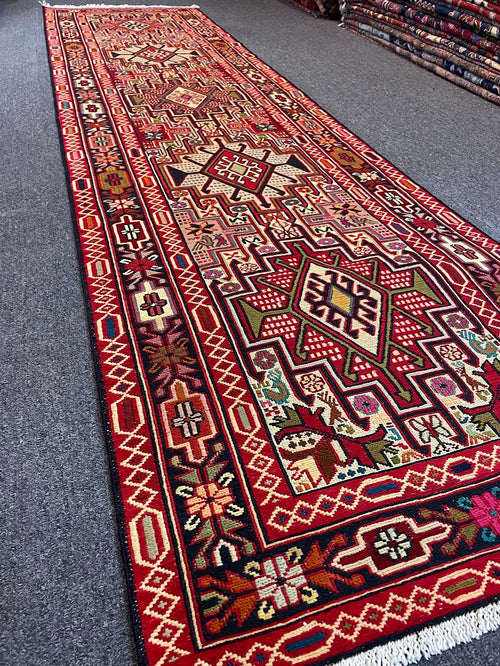
In Afghanistan and Pakistan, we work with Hazara and Turkmen refugees to produce the finest quality vegetable-dyed wool rugs. Turkmen rugs are known for their rich red colors and classic traditional designs. Hazara rugs are known for their bright colors and tribal patterns.
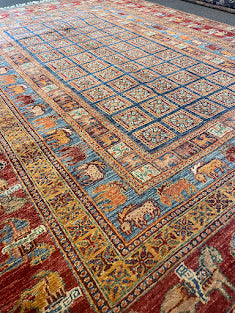
The rest of our rugs come from 20 different countries and are sourced directly from weavers or families of weavers throughout South Asia, Central Asia, West Asia, North Africa, and Eastern Europe. Each one is handwoven the traditional way, using no chemicals or machinery. No two are alike, and we pride ourselves in having something for everyone.


Woven History & Silk Road


HANDWOVEN, VEGETABLE-DYED, WOOL AND SILK RUGS FROM OVER DIFFERENT COUNTRIES.


